Physical Address
304 North Cardinal St.
Dorchester Center, MA 02124
Physical Address
304 North Cardinal St.
Dorchester Center, MA 02124

If you’re here, you may be feeling uneasy about your relationship. Maybe you’ve noticed mixed signals, changes in behavior, or a gut feeling you can’t ignore. With the rise of the online loyalty test trend, many people are wondering whether this approach is toxic—or actually helpful for protecting emotional safety.
In this guide, I’ll break down what these tests are, why people turn to them, and how they can offer insight when used responsibly. My goal is to help you feel more informed, calm, and confident.
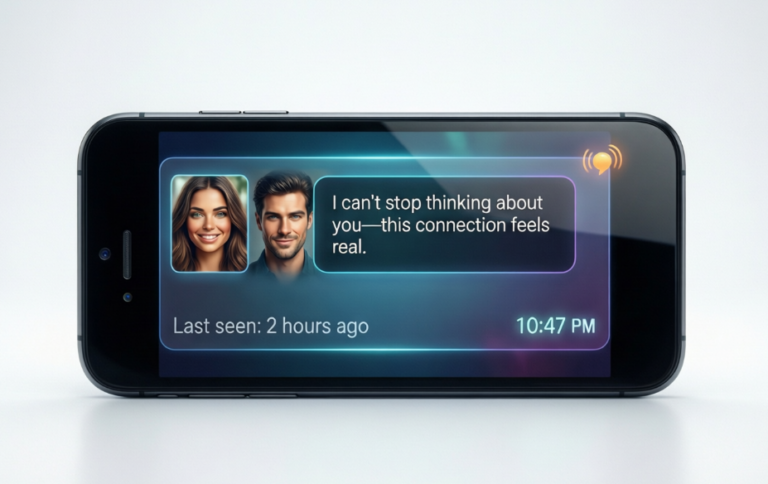
The online loyalty test trend involves using controlled, digital scenarios to gauge whether a partner responds in a way that aligns with commitment and respect. These tests are designed to reveal patterns, not to trap or humiliate anyone.
Modern dating can be confusing. Busy schedules, social media, and shifting values all create anxiety. Many people turn to loyalty tests because they want:
While loyalty tests can spark debate, they offer important benefits when used thoughtfully and ethically.
A loyalty test can highlight behaviors you might overlook in daily life. If your partner is easily influenced, flirtatious with strangers, or inconsistent in their boundaries, the test can give you early emotional data.
Your reaction to the results could show you:
Catching red flags early helps many people avoid deeper heartbreak later. An online loyalty test can illuminate whether someone is truly aligned with you—or just offering surface-level commitment.
Some individuals behave differently in private conversations than they do in public. A carefully monitored scenario can reveal whether someone is consistent when no one is watching.
Even though there are benefits, the test becomes harmful when it’s rooted in fear, revenge, or control.
If these resonate, it may be time to focus inward and explore why trust has become difficult.
Before testing your partner, ask yourself:
Understanding your emotional baseline ensures you approach the test with intention, not panic.
A loyal partner may still respond politely to strangers. What matters is:
A single screenshot doesn’t define the entire truth. You’re looking for overall behavior.
The results—positive or negative—should be used to guide constructive decisions. If the test confirms loyalty, take a moment to acknowledge the security you have. If it reveals concerning behavior, consider healthier conversations or boundaries.
The online loyalty test trend can be helpful when used responsibly, with empathy and emotional clarity. It can offer insight, highlight hidden dynamics, and help you protect your wellbeing. The key is approaching it with maturity—not manipulation.
If you’re struggling with trust or confusion, you’re not alone. And you deserve answers that help you feel safe, not stuck.