Physical Address
304 North Cardinal St.
Dorchester Center, MA 02124
Physical Address
304 North Cardinal St.
Dorchester Center, MA 02124

In this guide, we’ll explore easy loyalty test ideas you can try yourself, how to interpret results fairly, and when it’s best to seek help from a trusted loyalty testing service like Cheating Test.
A DIY loyalty test is a method you can use to observe your partner’s reactions in everyday situations that subtly reveal their true level of commitment. It’s not about spying or manipulation — it’s about creating moments that highlight honesty, respect, and transparency.
These tests are especially useful when you need peace of mind before taking a relationship to the next level.
Here are some practical and emotionally intelligent ways to test loyalty on your own — safely and respectfully.
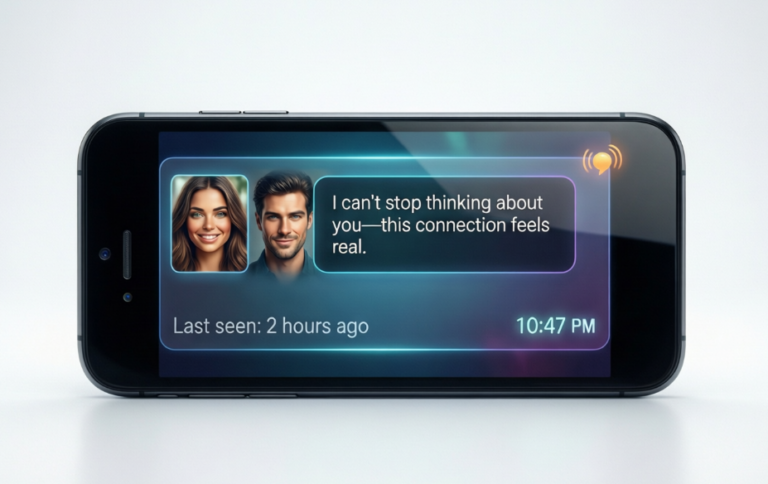
Send a light, flirtatious message from a new account (or ask a trusted friend to help) and observe your partner’s reaction.
What to watch for:
A loyal partner will maintain clear boundaries, even when they think no one’s watching.
Bring up a hypothetical situation, such as, “Would you ever give your number to someone who flirted with you at work?”
Why it works: Their response can reveal how they view loyalty in real-world scenarios.
Tip: Listen for how they justify their answers — honest partners usually speak from values, not excuses.
Social media is where many loyalty questions begin. Try observing how your partner behaves online without mentioning your concerns.
Look for:
Loyalty in the digital age is reflected not only in what people say but in what they show the world.
Suggest spontaneous plans or emotional conversations and see how they respond. A loyal partner values connection and consistency.
Signs of loyalty:
Subtly test their reaction by mentioning a situation like, “Someone at the gym was really friendly today.”
Observe:
Sometimes, loyalty is best measured through everyday reactions — not dramatic tests.
After conducting a DIY loyalty test, it’s important to approach the results with emotional intelligence.
If you need confirmation beyond your own testing, a professional loyalty test can help provide a neutral and confidential answer.
DIY tests can reveal a lot, but sometimes emotions get in the way of accuracy. If you want clear, unbiased results handled discreetly, using a trusted loyalty test provider is your best next step.
A professional team can manage the process with expertise, ensuring privacy and reliability.
For confidential, fast, and accurate results, consider Cheating Test — a trusted provider specializing in modern loyalty tests that bring peace of mind.
Testing loyalty isn’t about catching someone — it’s about understanding the truth so you can protect your emotional well-being.
Whether you try these DIY loyalty test ideas or work with a professional, the goal remains the same: finding honesty, clarity, and peace in your relationship.
True love thrives on trust — but sometimes, trust needs to be tested to be proven.