Physical Address
304 North Cardinal St.
Dorchester Center, MA 02124
Physical Address
304 North Cardinal St.
Dorchester Center, MA 02124

When trust starts to fade in a relationship, doubts can quickly take over. Maybe your partner is acting distant, hiding their phone, or just “feels off.” In those stressful moments, it’s natural to look for answers — and many people turn to tools like online or AI loyalty tests.
But while AI tools may sound smart and convenient, the truth is that they often miss what really matters: human emotion and context. Here’s what you need to know before you rely on AI to decide the future of your relationship.
Combine with Loyalty Testers
A loyalty test helps reveal how a partner behaves when faced with temptation or emotional connection outside the relationship. It’s not about catching someone in the act — it’s about understanding where their true loyalty lies.
People use loyalty tests to:
When done properly, a loyalty test provides clarity, peace of mind, and a foundation for honest conversation.
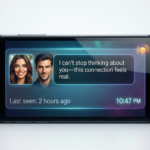
An AI loyalty test uses automated technology to simulate conversations or analyze digital behavior. Some platforms promise that artificial intelligence can “predict” or “detect” signs of infidelity. The idea sounds futuristic — but there’s a key problem: relationships are human, not robotic.
AI can process messages, but it struggles to understand real emotions. Sarcasm, humor, hesitation, or affection often confuse even advanced algorithms. That means an AI-generated response might feel generic, unnatural, or emotionally flat — and could lead to misunderstandings.
When it comes to testing loyalty, emotional intelligence matters as much as data. Real human experts bring qualities that no algorithm can replicate:
Humans can read tone, mood, and subtle emotional cues. They know when someone’s flirting — even if the words are polite.
A real person can adapt naturally to a partner’s personality and reactions. The conversation feels real, allowing genuine behavior to surface.
Humans understand relationship dynamics, social behavior, and cultural subtleties. AI usually misses these details, leading to awkward or misleading exchanges.
Professionals trained in loyalty testing can interpret responses objectively and provide clear, evidence-based feedback.
Even the most advanced AI systems make mistakes — and in relationships, a single misunderstanding can cause unnecessary pain. Here’s where AI loyalty tests often go wrong:
When emotions and trust are involved, accuracy and empathy are non‑negotiable. That’s why relying solely on AI can do more harm than good.
If you’re serious about finding the truth, choose a real, human-operated loyalty test. Trained professionals can simulate realistic situations, observe behavioral patterns, and provide clear insights with empathy and confidentiality.
A trusted provider like cheating-test.com uses professional testers — not bots — to help you discover the truth safely and discreetly. Their process is designed to respect privacy while delivering emotionally intelligent results you can rely on.
AI loyalty tests may offer quick answers, but real trust problems require real human insight. Emotions, behavior, and communication are too complex for machines to decode accurately.
If you’re searching for clarity in your relationship, take the human route. Skilled experts can help you uncover the truth — and guide you toward peace of mind.