Physical Address
304 North Cardinal St.
Dorchester Center, MA 02124
Physical Address
304 North Cardinal St.
Dorchester Center, MA 02124

If you’ve been scrolling through TikTok lately, you’ve likely seen videos where people put their partners through “loyalty tests.” These clips often spark heated debates in the comments—some call them genius, others think they’re too extreme.
But for those who’ve ever felt uncertain about their partner’s faithfulness, it’s easy to understand the appeal. Relationships today are often tested by social media, long-distance communication, and constant online temptation. The idea of getting clear answers can feel like relief.
In this post, we’ll unpack why loyalty tests are going viral on TikTok, what’s driving the trend, and how these tests can actually help people find peace of mind and strengthen trust in relationships.
Combine with TikTok Loyalty Test Explained
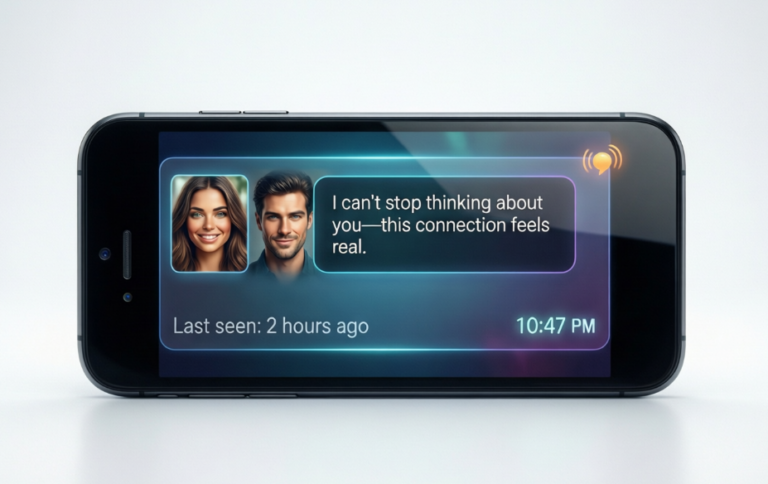
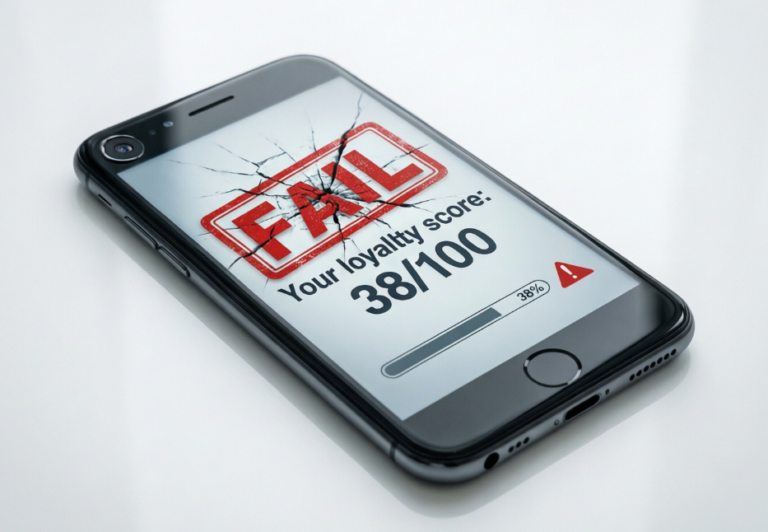
A loyalty test is a discreet way to see how a partner behaves when faced with potential temptation or outside attention. In simple terms, it’s designed to reveal how loyal someone truly is—especially when they think their partner isn’t watching.
These tests have become popular on TikTok because they combine curiosity, drama, and emotional truth—all in one. But behind the viral videos, there’s a serious emotional purpose: many people want real answers about loyalty before making deeper commitments.
The TikTok generation thrives on transparency, storytelling, and accountability. Loyalty tests perfectly fit this mix.
When done thoughtfully and respectfully, a loyalty test can offer more than just answers—it can help you grow stronger emotionally and make better relationship decisions.
Wondering whether your partner is loyal can create anxiety and sleepless nights. A well-conducted loyalty test removes doubt and brings you the clarity you need to move forward—either with confidence or with the courage to let go.
Knowing the truth helps you reclaim control over your emotional life. Instead of second-guessing or overthinking, you can make decisions based on facts, not fears.
If your partner passes the test, it opens the door for honest conversations about trust and boundaries.
It’s a chance to:
Catching disloyal behavior early prevents deeper emotional harm later. In today’s fast-paced dating culture, protecting your heart is just as important as protecting your privacy.
While loyalty tests can reveal the truth, they should always be approached with empathy and maturity. The goal isn’t to embarrass anyone—it’s to find peace and clarity.
Remember, loyalty testing should be about truth and trust, not control or punishment.
The rise of loyalty tests on TikTok shows that people crave honesty more than ever. These viral moments reflect real fears, hopes, and emotional struggles that many couples face in private.
If you’re considering a loyalty test, know that it’s not about “catching” someone—it’s about protecting your peace, clarifying your relationship, and making informed emotional choices.
Trust, after all, isn’t built overnight. But with the right approach, loyalty testing can be a powerful step toward understanding who truly values you—and who doesn’t.